
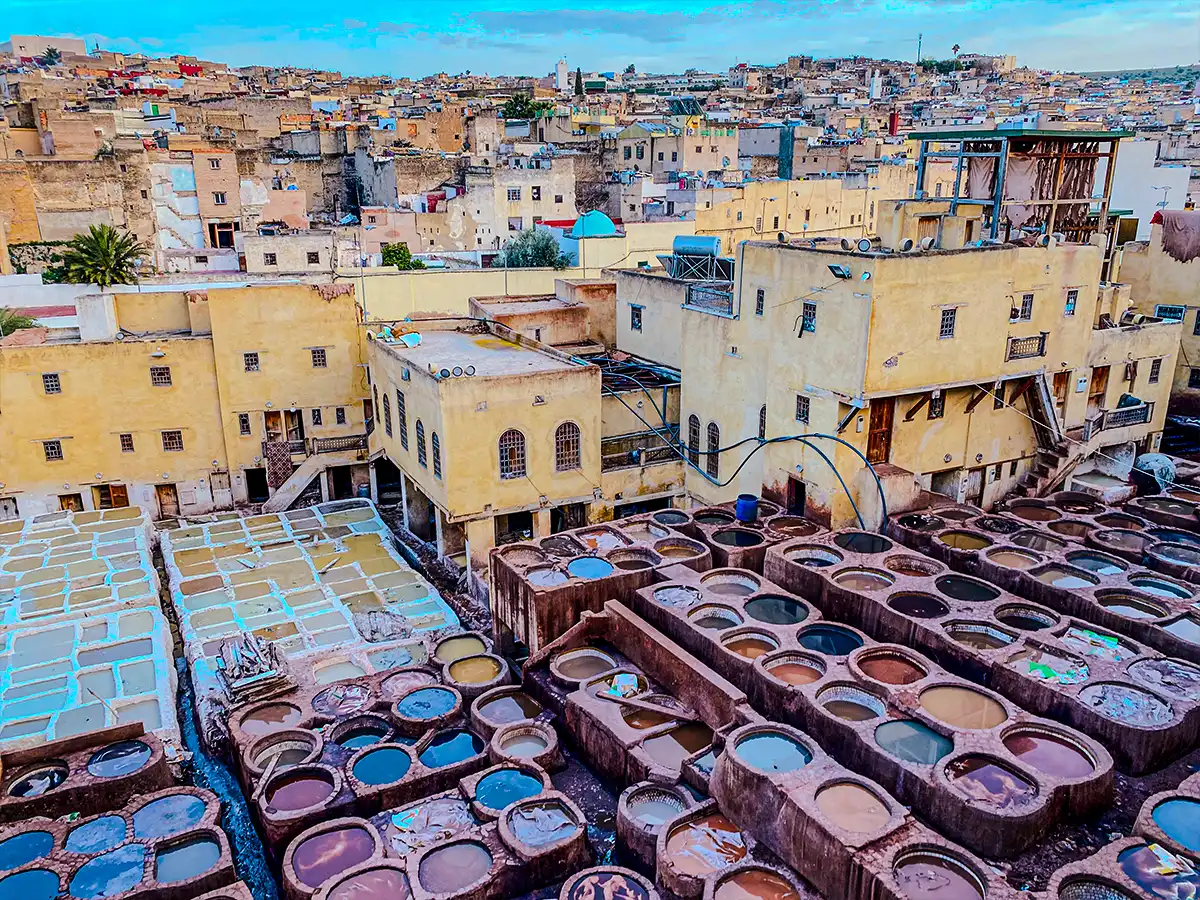
Medina
The historic old city, often walled, filled with narrow streets, markets, and traditional life.
Travel Guide
Discover Morocco’s most iconic landmarks, from medinas and riads to kasbahs, souks, and historic cities. Understand what defines Moroccan architecture and cultural life.
Morocco’s landmarks are not limited to monuments. They form a living cultural landscape shaped by architecture, daily life, and centuries of tradition. From the maze-like medinas of Fez and Marrakesh to fortified kasbahs, riads, and lively souks, each landmark reflects a different layer of Moroccan identity. This guide helps you understand these places, what they mean, and where to experience them across the country.
A quick overview of the main architectural and cultural landmarks you will encounter across Morocco.
The historic old city, often walled, filled with narrow streets, markets, and traditional life.
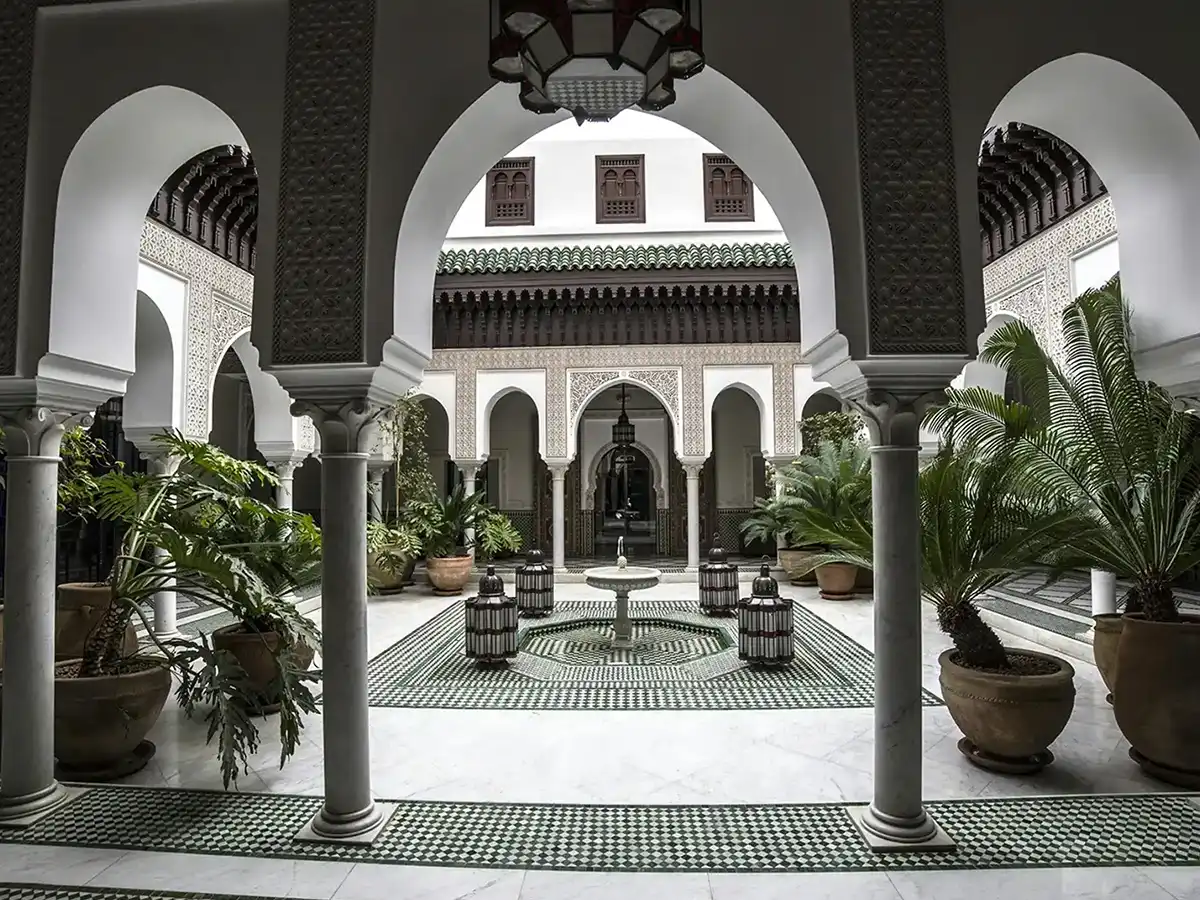
Traditional Moroccan house built around an interior courtyard, often converted into boutique stays.
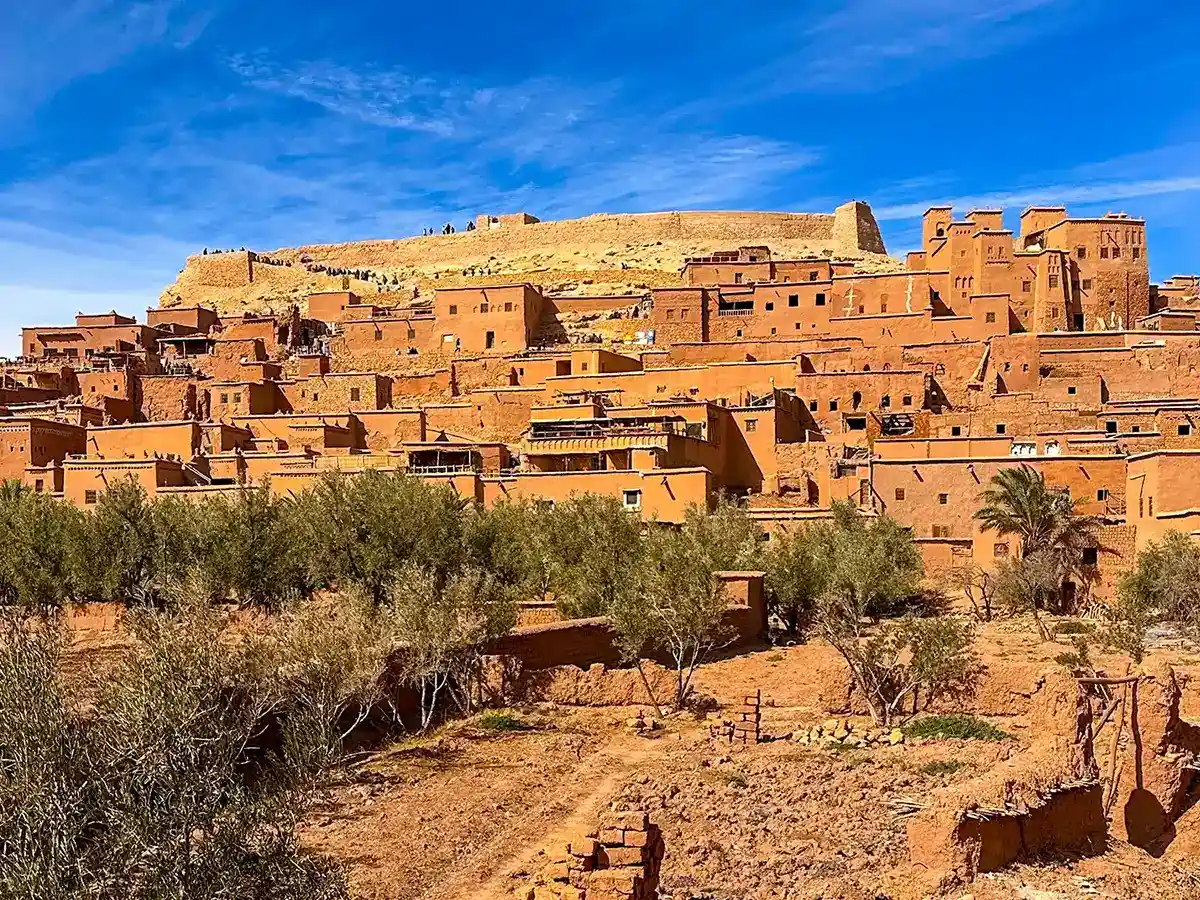
A fortified structure or district, traditionally built for defense and local governance.
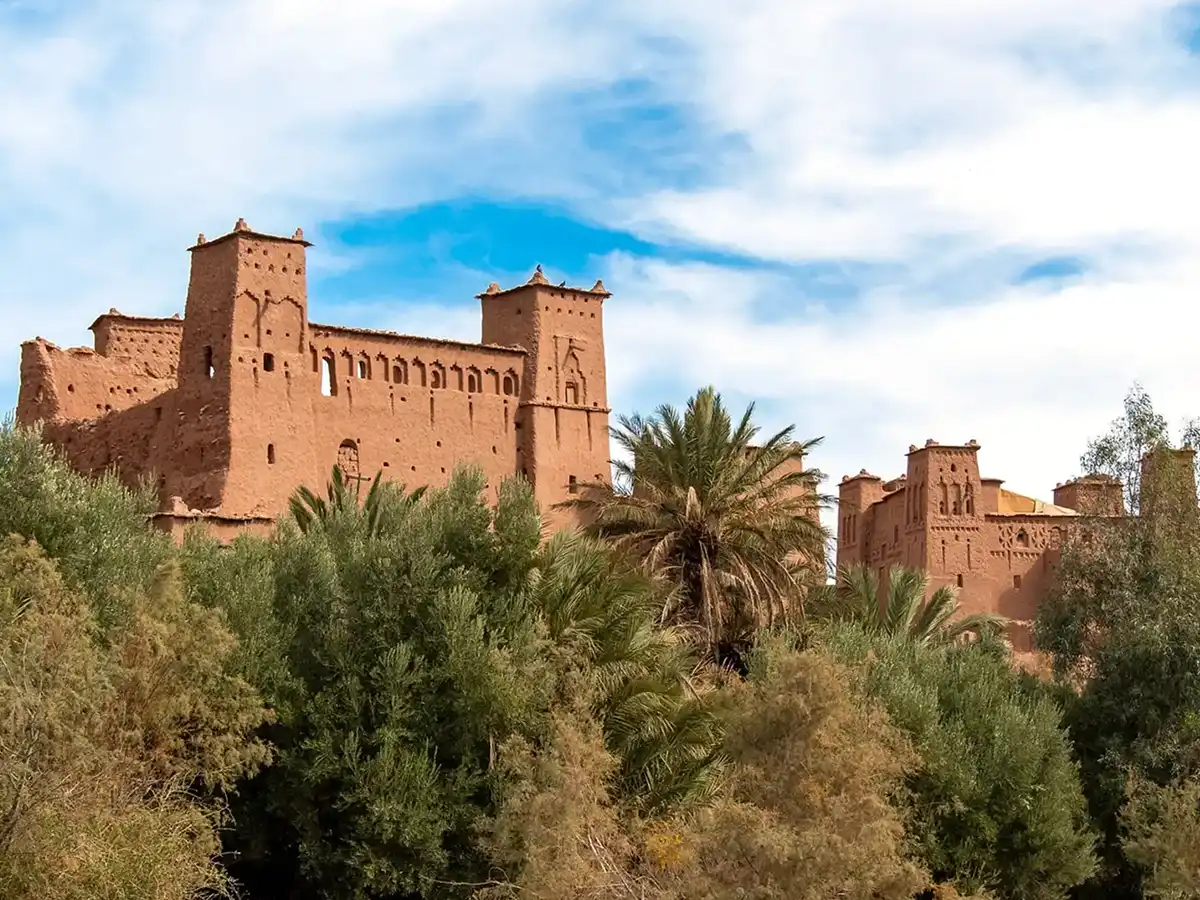
A fortified village made of earth and clay, common in southern Morocco.
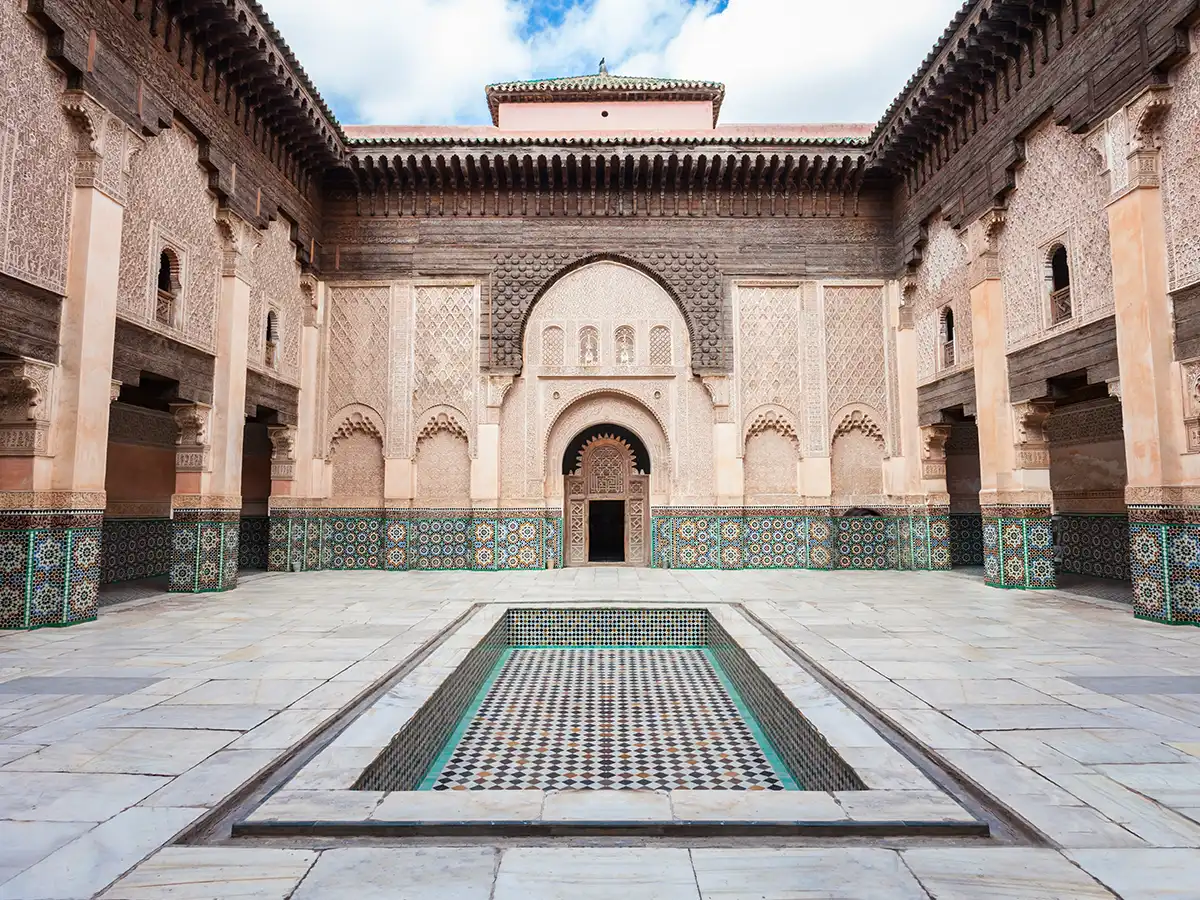
Historic Islamic schools known for intricate architecture and cultural importance.
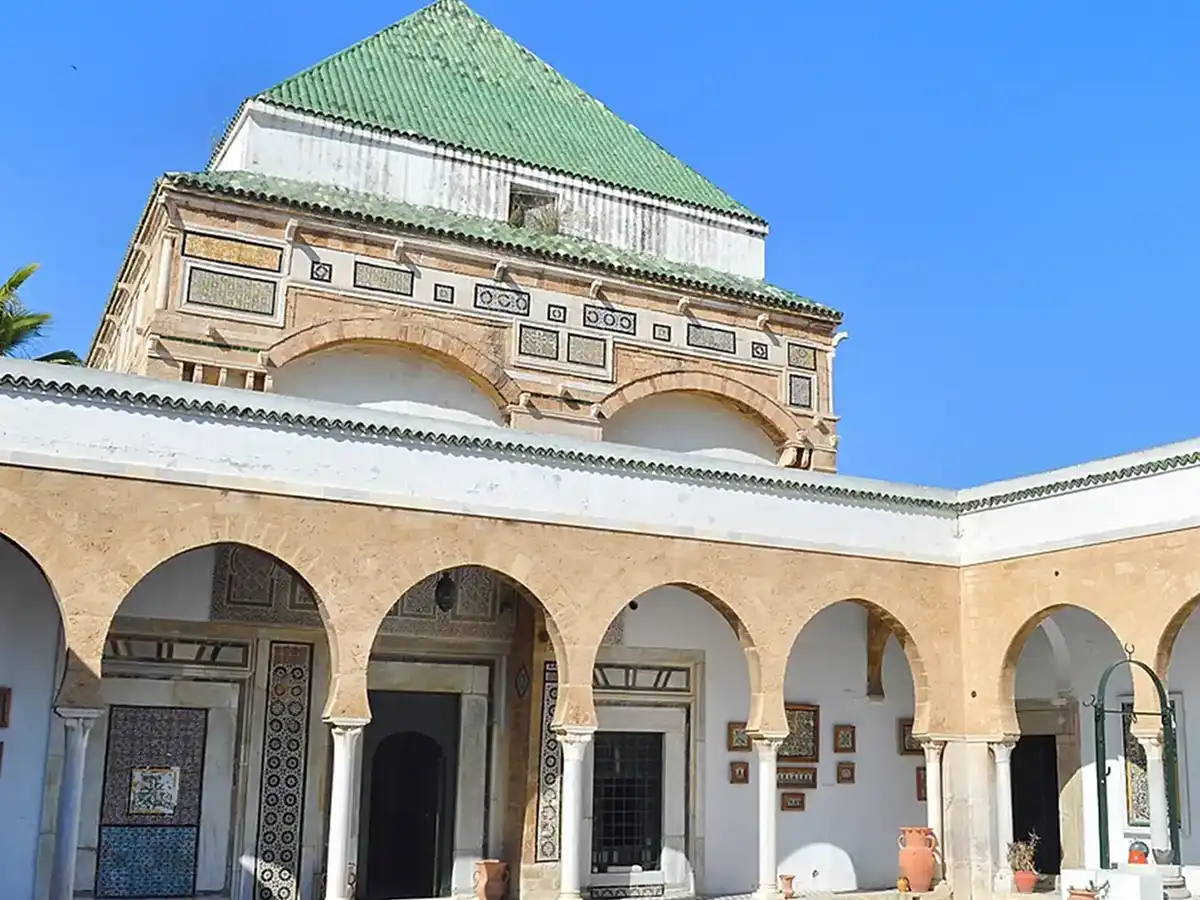
A religious complex or spiritual center linked to Sufi traditions.
Landmarks in Morocco are also lived traditions shaped by rituals, festivals, and social spaces.
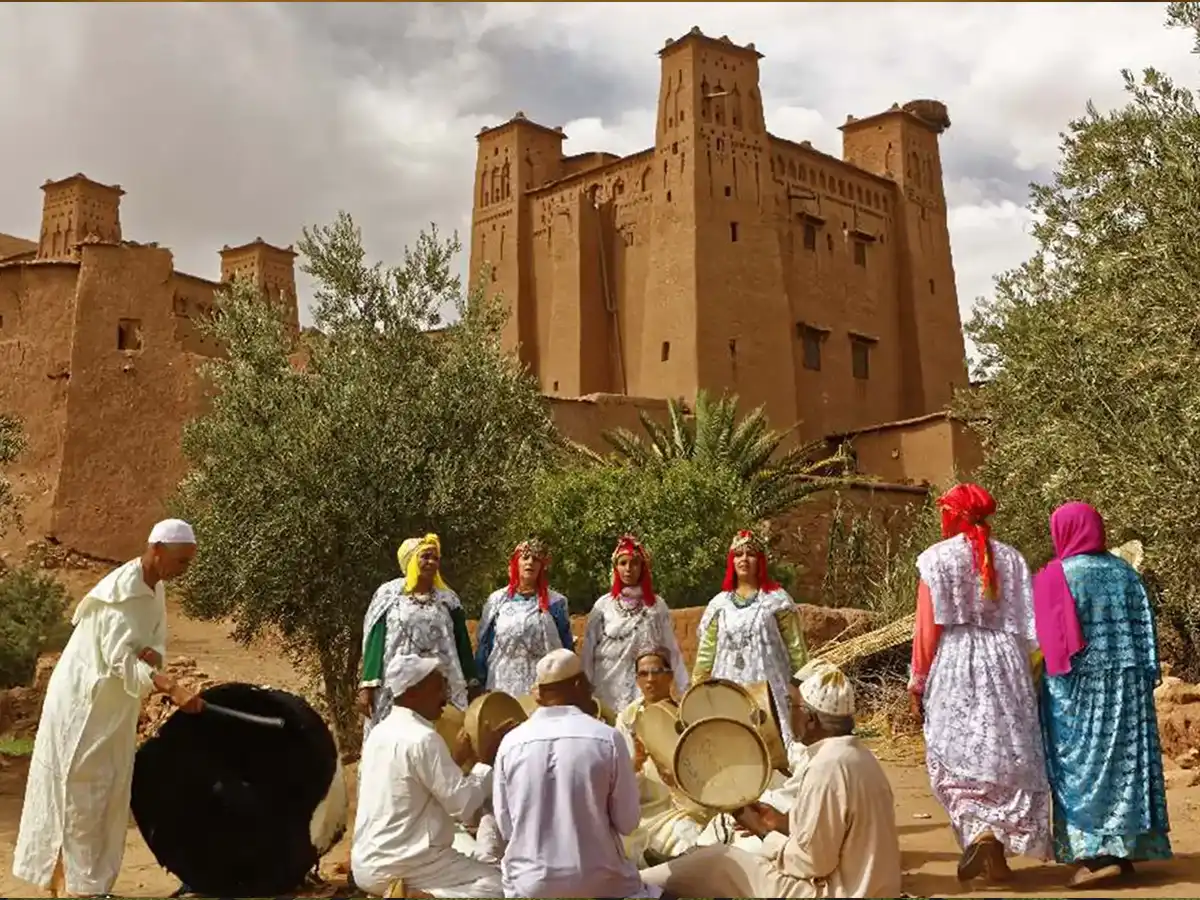
A traditional festival or gathering linked to religious or cultural celebrations.
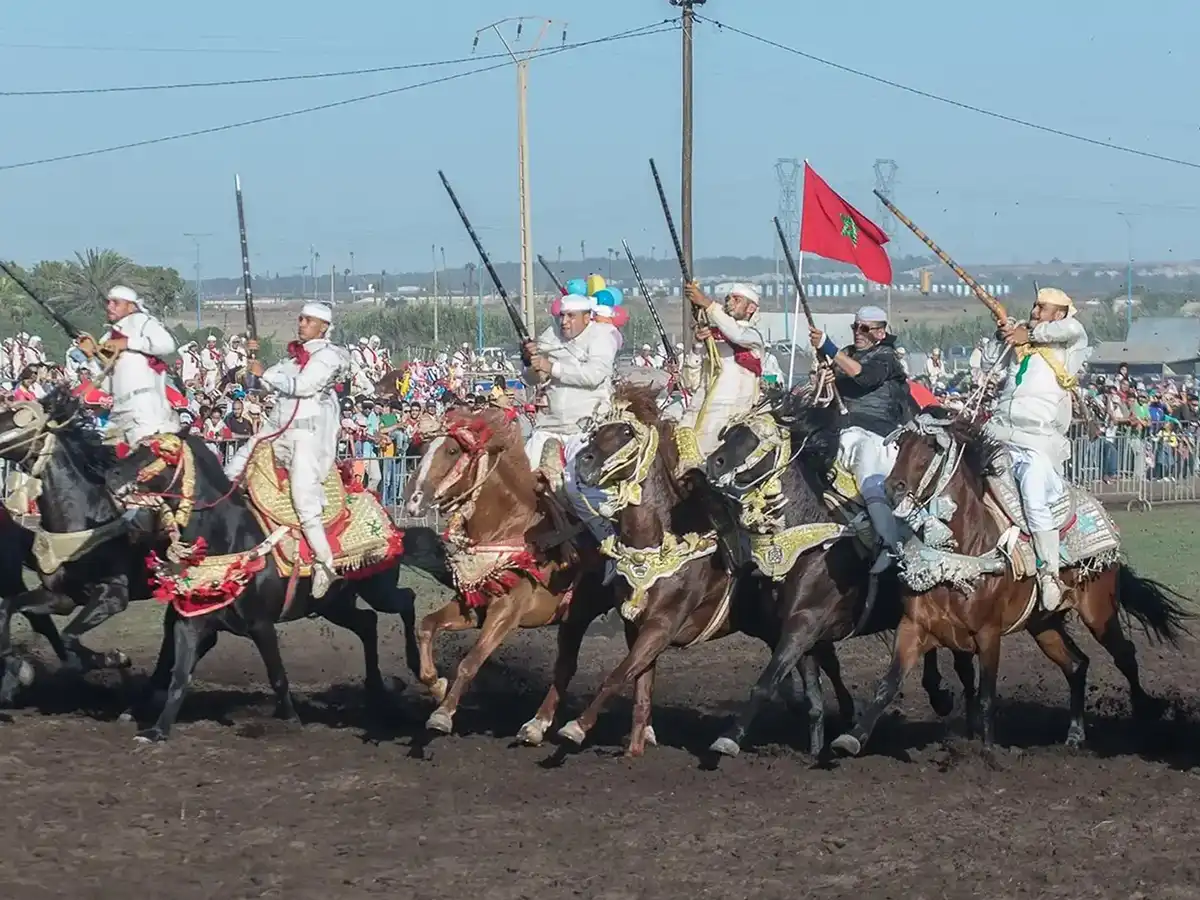
A traditional horseback performance symbolizing heritage and warrior culture.
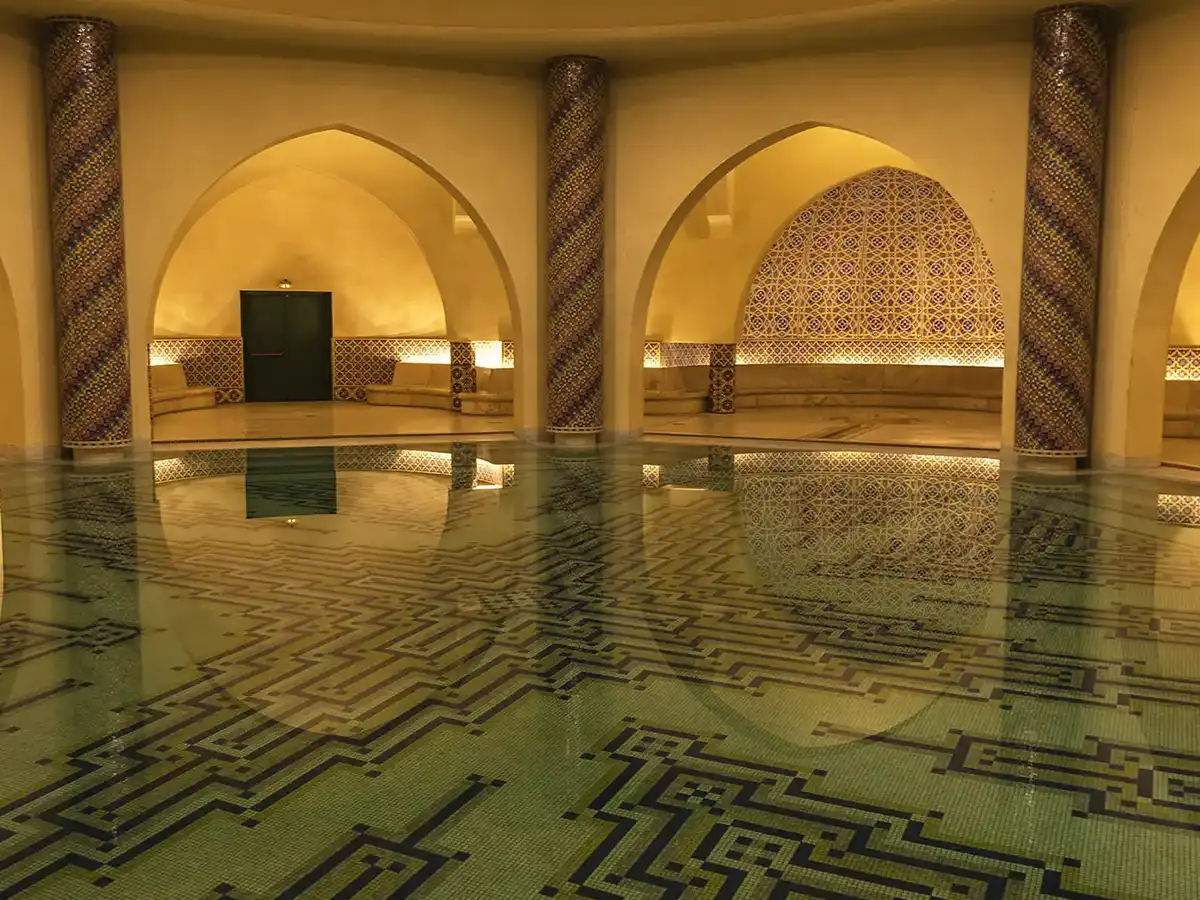
Public bathhouse central to Moroccan daily life and social culture.
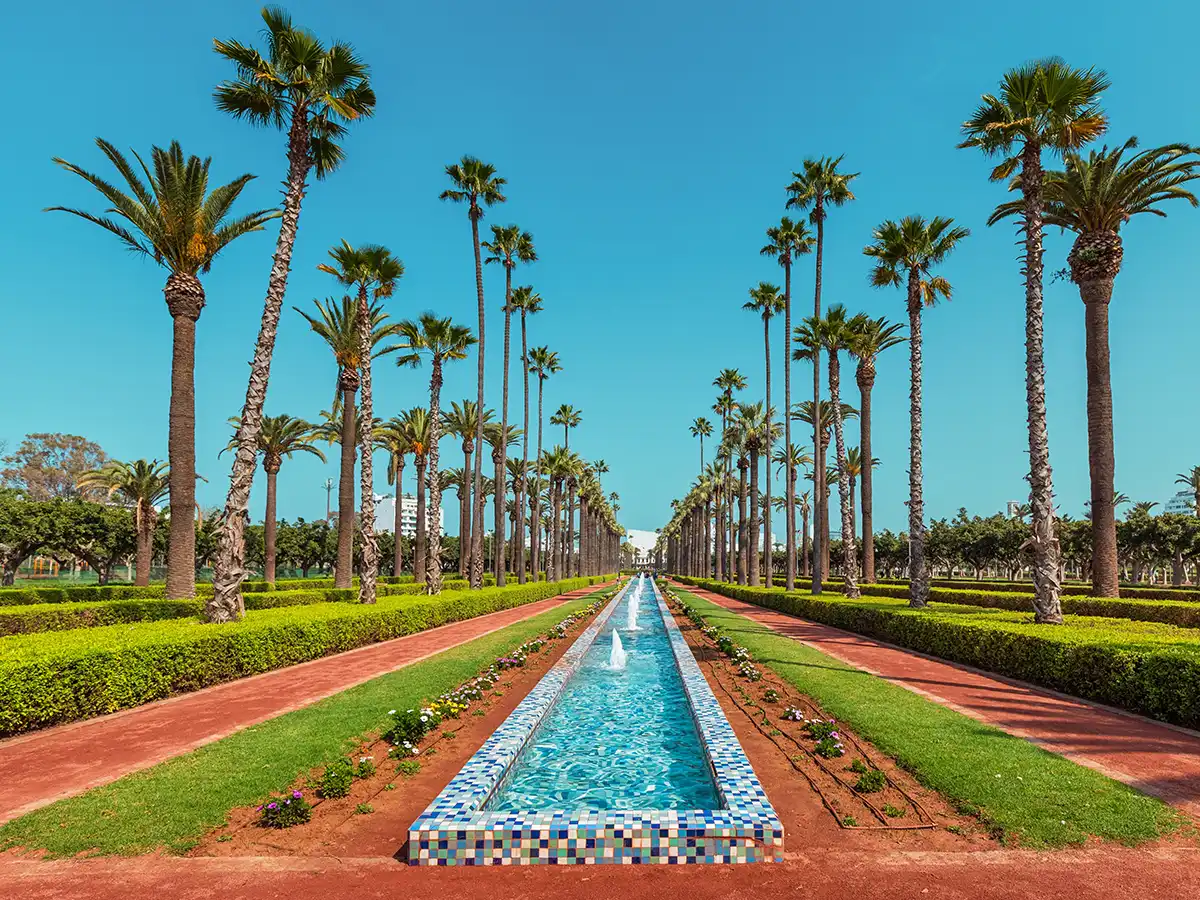
Traditional gardens or orchards designed for shade, relaxation, and water flow.
Public spaces anchor everyday community life and social exchange in Moroccan cities.
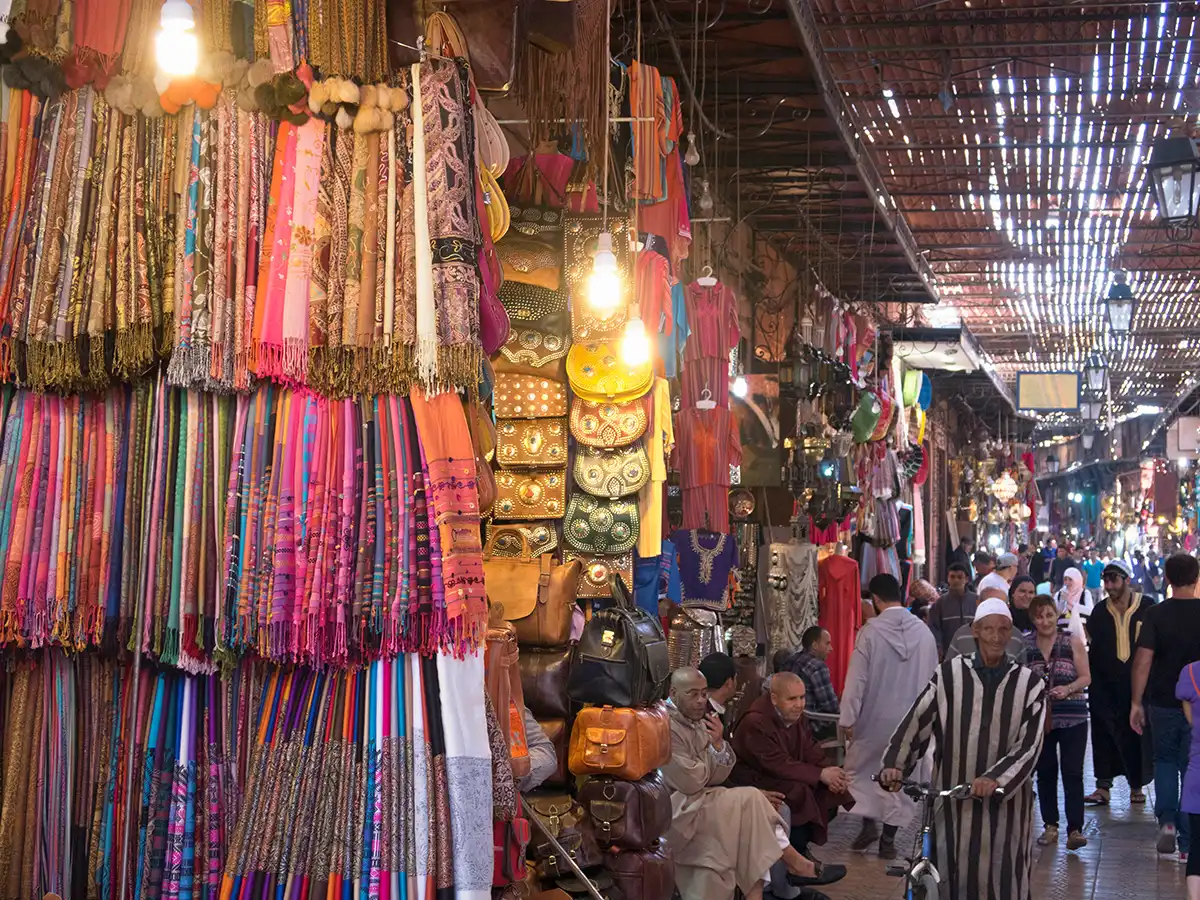
Vibrant markets inside medinas where artisans sell textiles, spices, leather, and handmade goods.
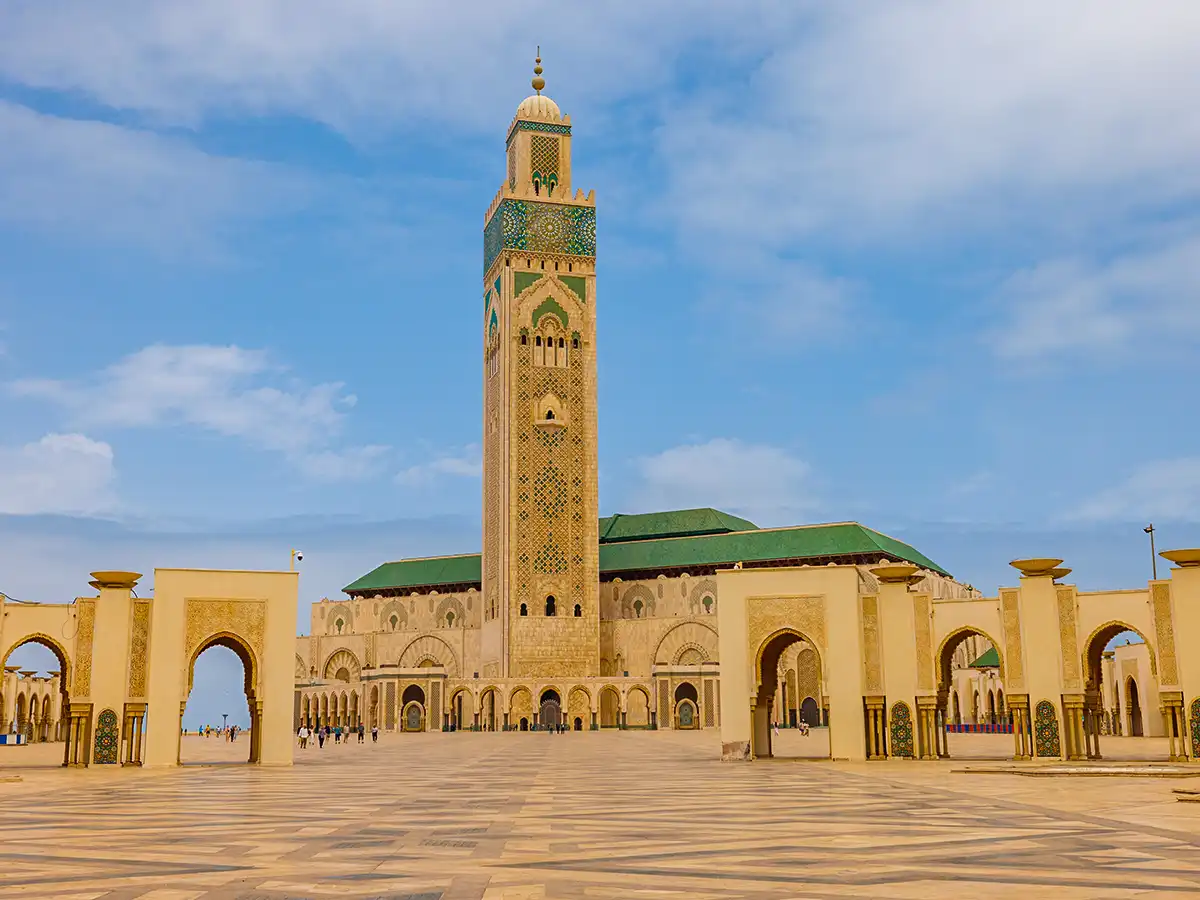
A public square or gathering space, often at the heart of city life.
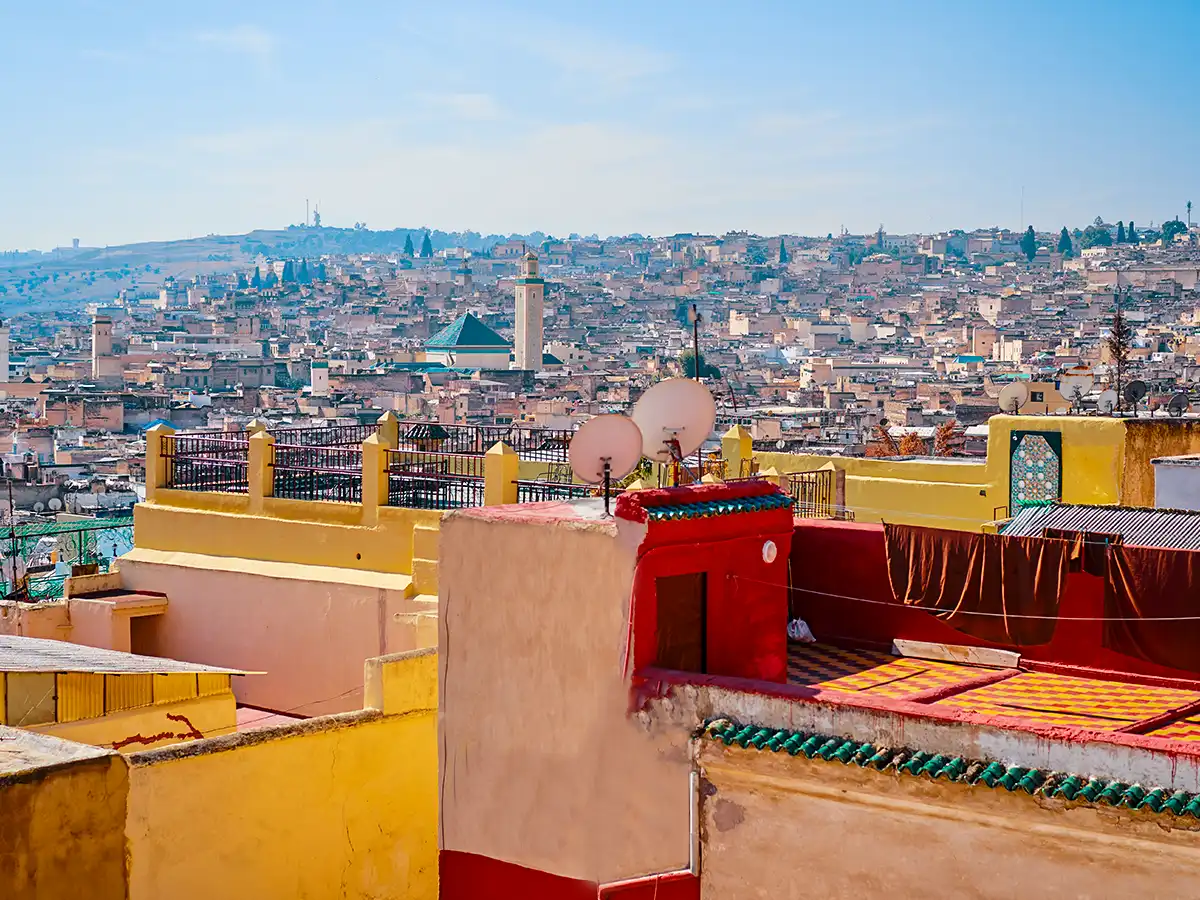
The medina is the historical core of Moroccan cities, where life unfolds through narrow alleys, hidden courtyards, and centuries-old traditions. These areas are often UNESCO-listed and remain central to daily commerce and culture.
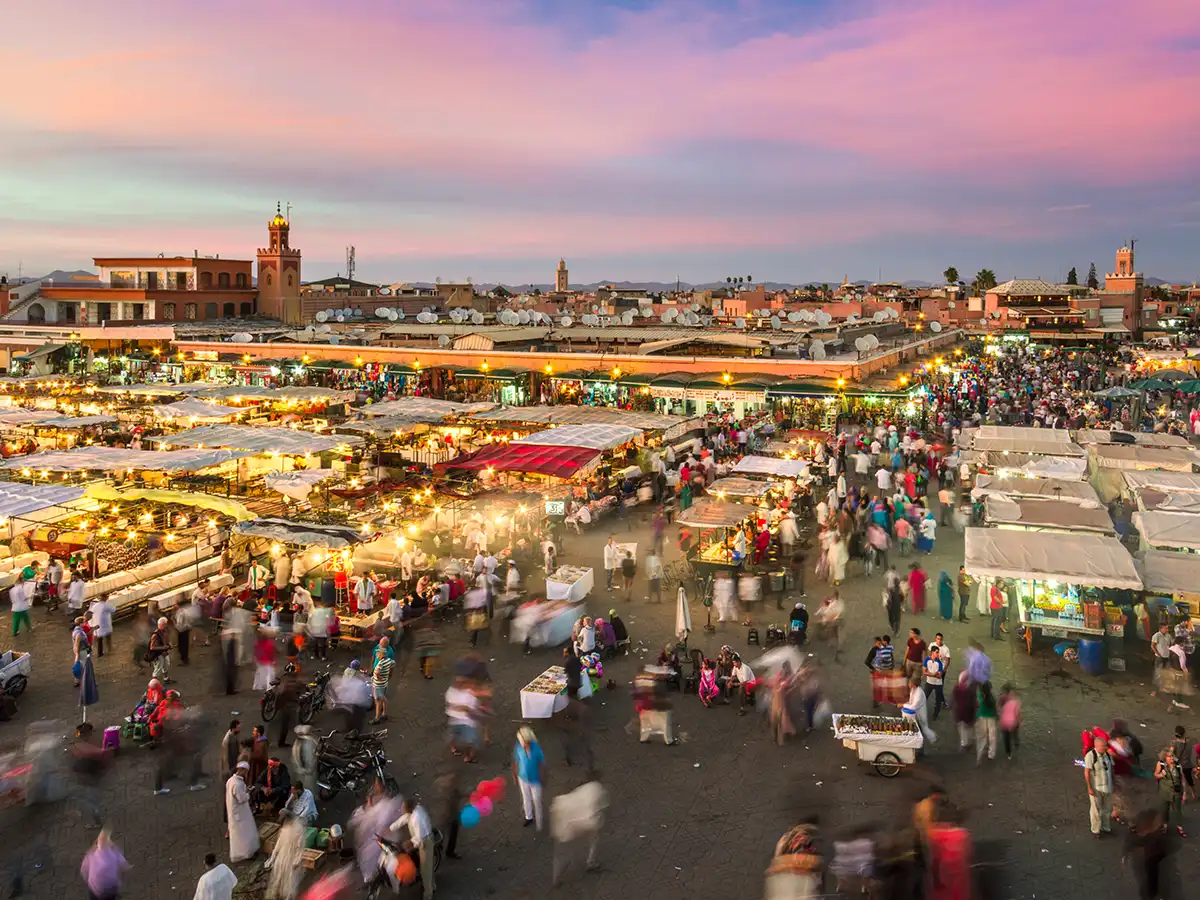
Souks are the commercial heart of the medina, organized by craft and trade. Walking through them reveals Morocco’s artisanal heritage, from leatherwork and ceramics to spices and textiles.
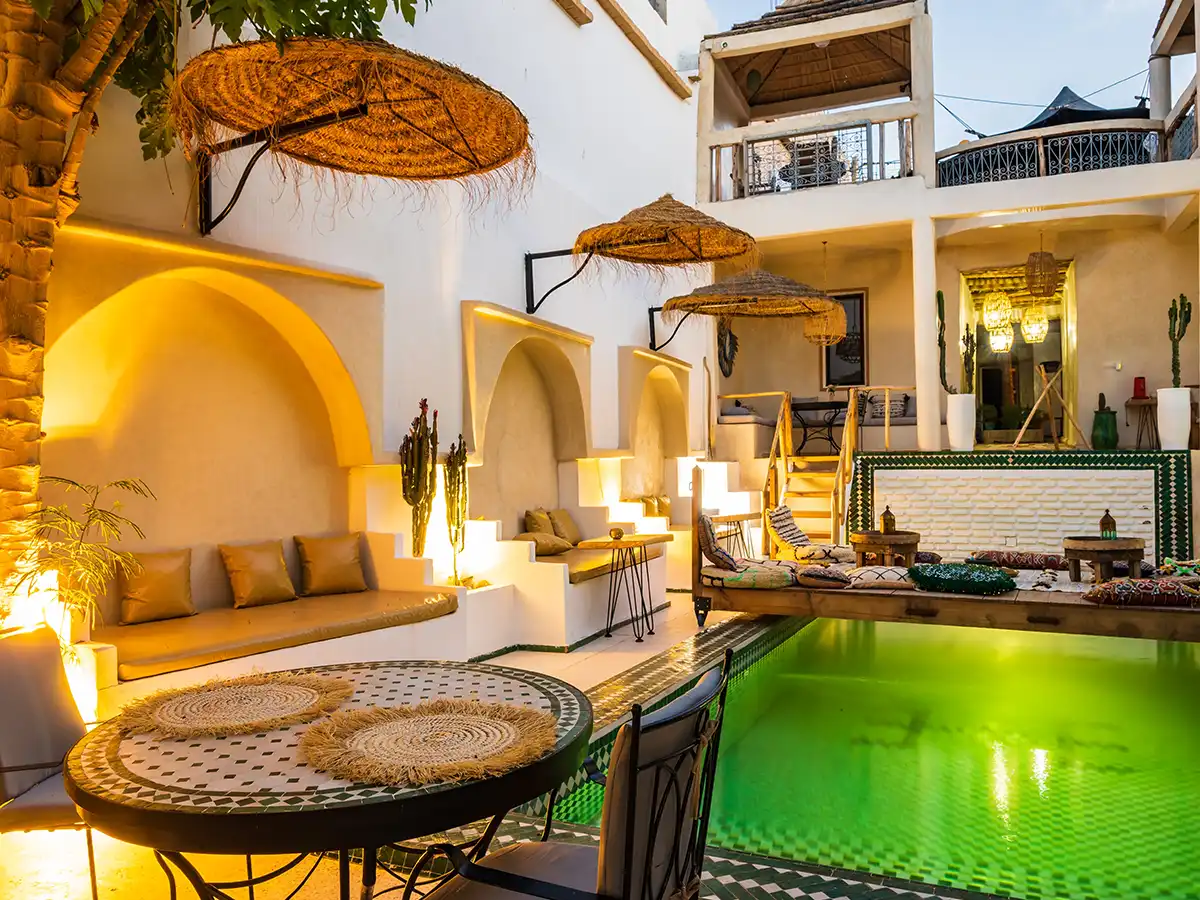
Riads represent the inward-focused design of Moroccan homes. Built around a central courtyard, they offer privacy, tranquility, and a unique architectural identity that contrasts with the busy streets outside.
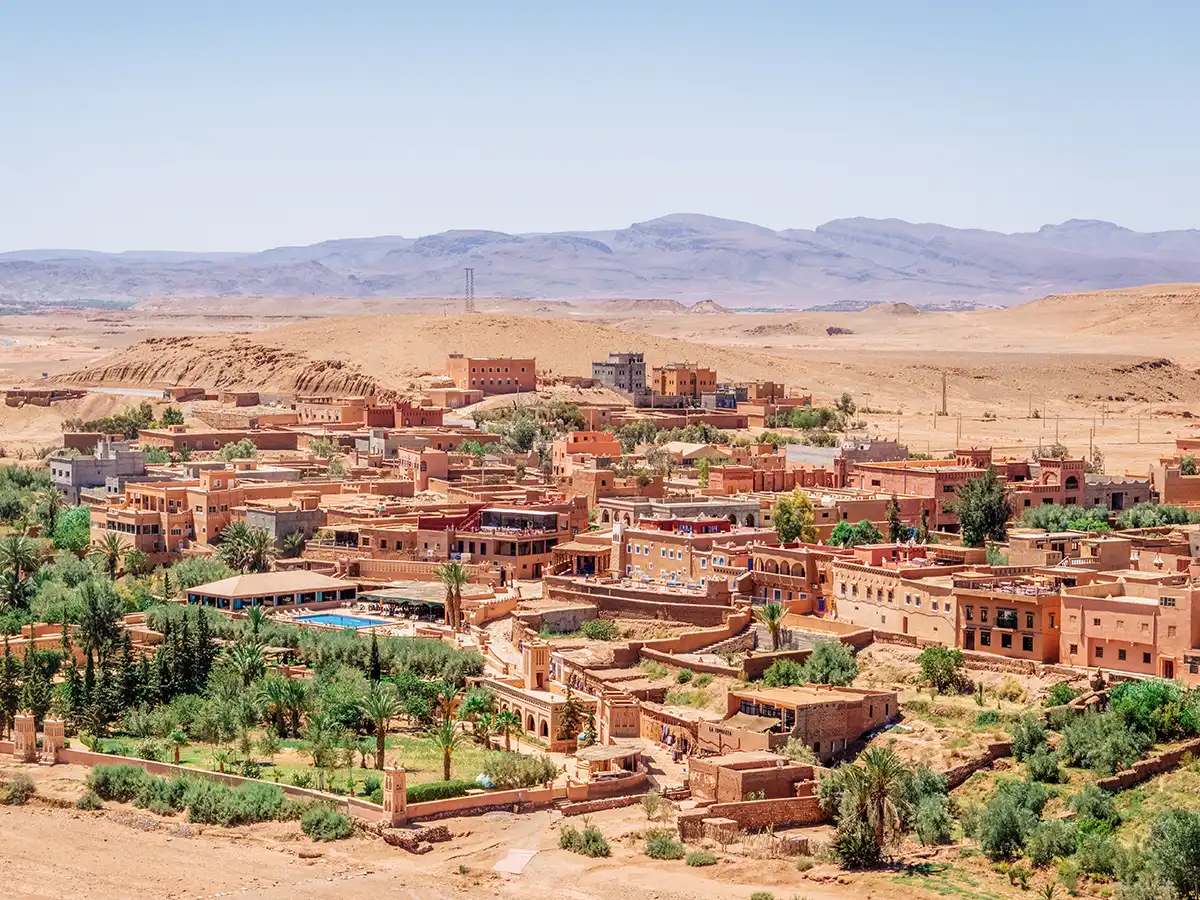
Kasbahs are fortified structures built for defense and governance, while ksars are larger fortified villages organized for communal life. Both are central to southern Morocco’s architectural heritage and earth-built landscape traditions.
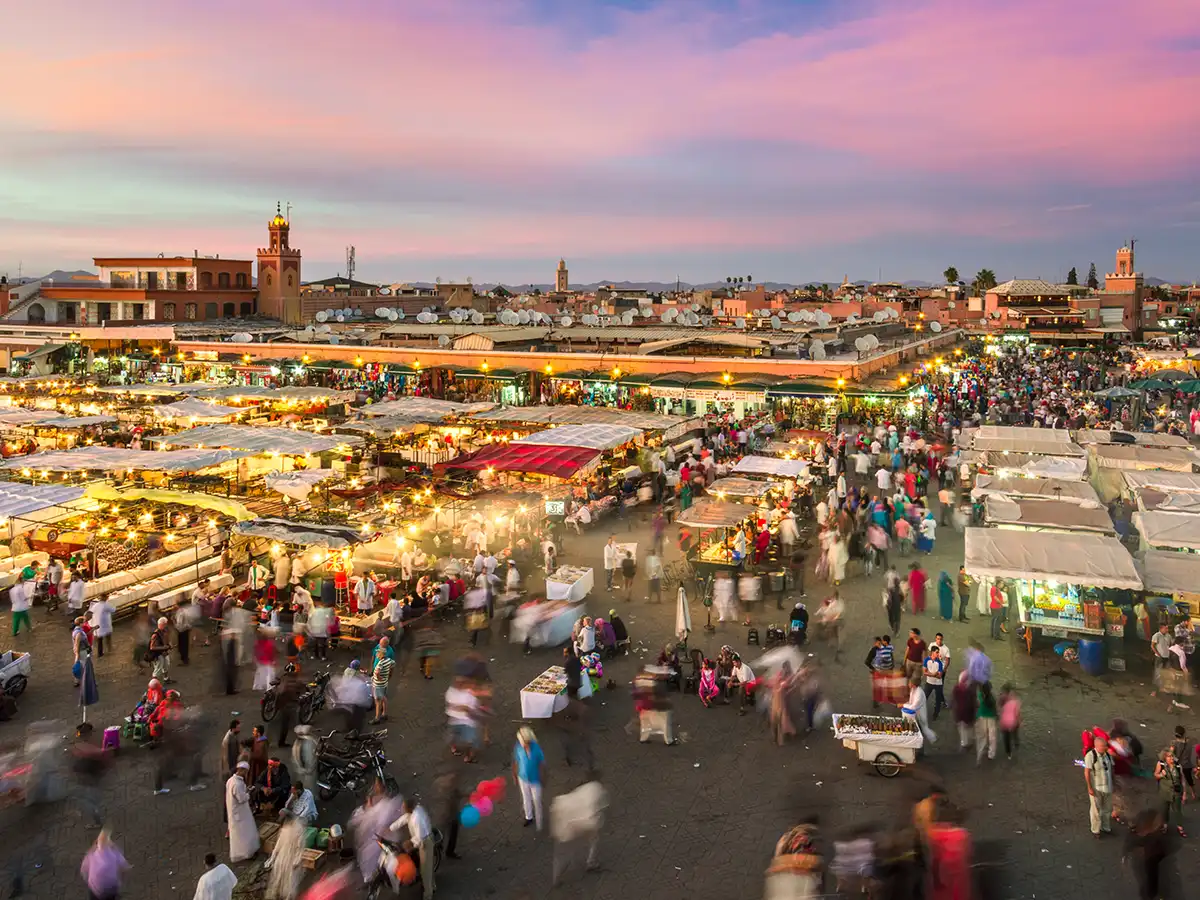
Public squares like Jemaa el-Fna in Marrakesh are living cultural stages where food, storytelling, music, and daily life converge.
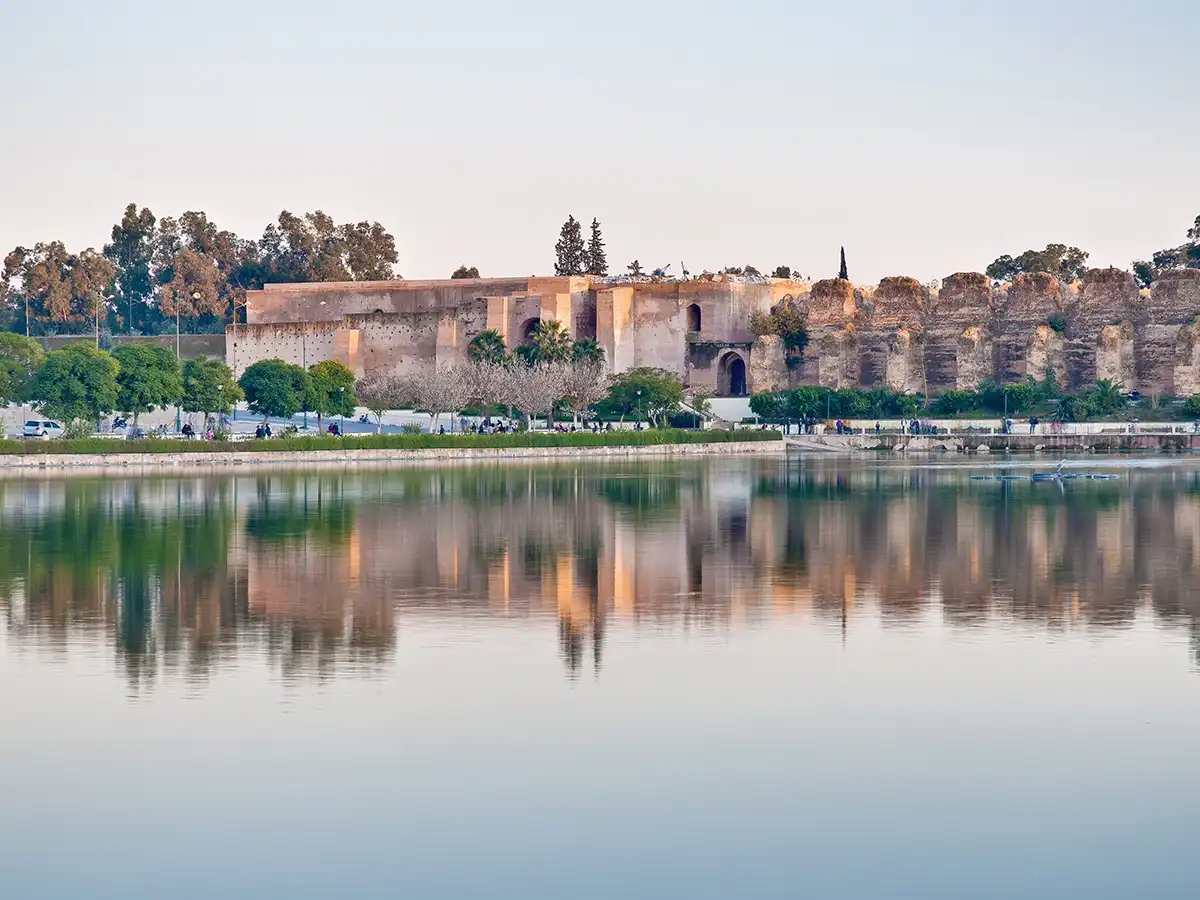
Morocco’s imperial cities — Fez, Marrakesh, Meknes, and Rabat — concentrate many of these landmarks, offering a complete immersion into the country’s history and architecture.
Morocco’s landmarks are not isolated attractions, but part of a living cultural system that connects architecture, daily life, and history. Exploring them provides a deeper understanding of how cities, traditions, and communities are shaped across the country.
These destinations are among the best places to experience Morocco’s landmark culture in context.
Explore medina streets, souks, and the living stage of Jemaa el-Fna.
Experience one of Morocco’s oldest medinas and richly detailed medrassa architecture.
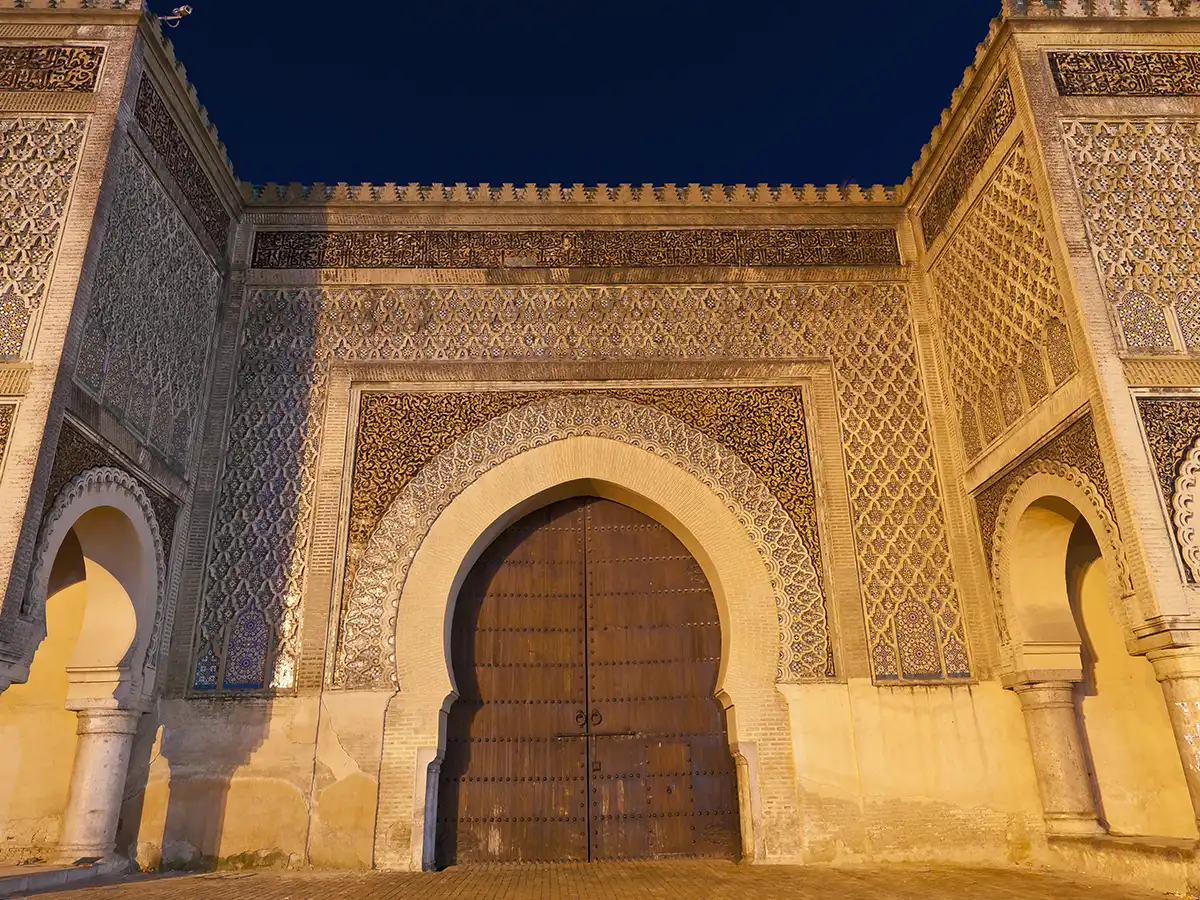
Known for imperial heritage, monumental gates, and historic urban fabric.
A medina is the historic old city, usually walled, where traditional life, markets, and architecture are concentrated.
A kasbah is typically a fortified building or residence, while a ksar is a larger fortified village made of grouped structures.
Yes, riads are traditional Moroccan homes built around a central courtyard, often converted into guesthouses or boutique hotels.
Medinas, souks, riads, kasbahs, and major public squares like Jemaa el-Fna are among the most essential landmarks to experience.
Pair landmark exploration with curated tours that connect architecture, living traditions, and historic city routes.
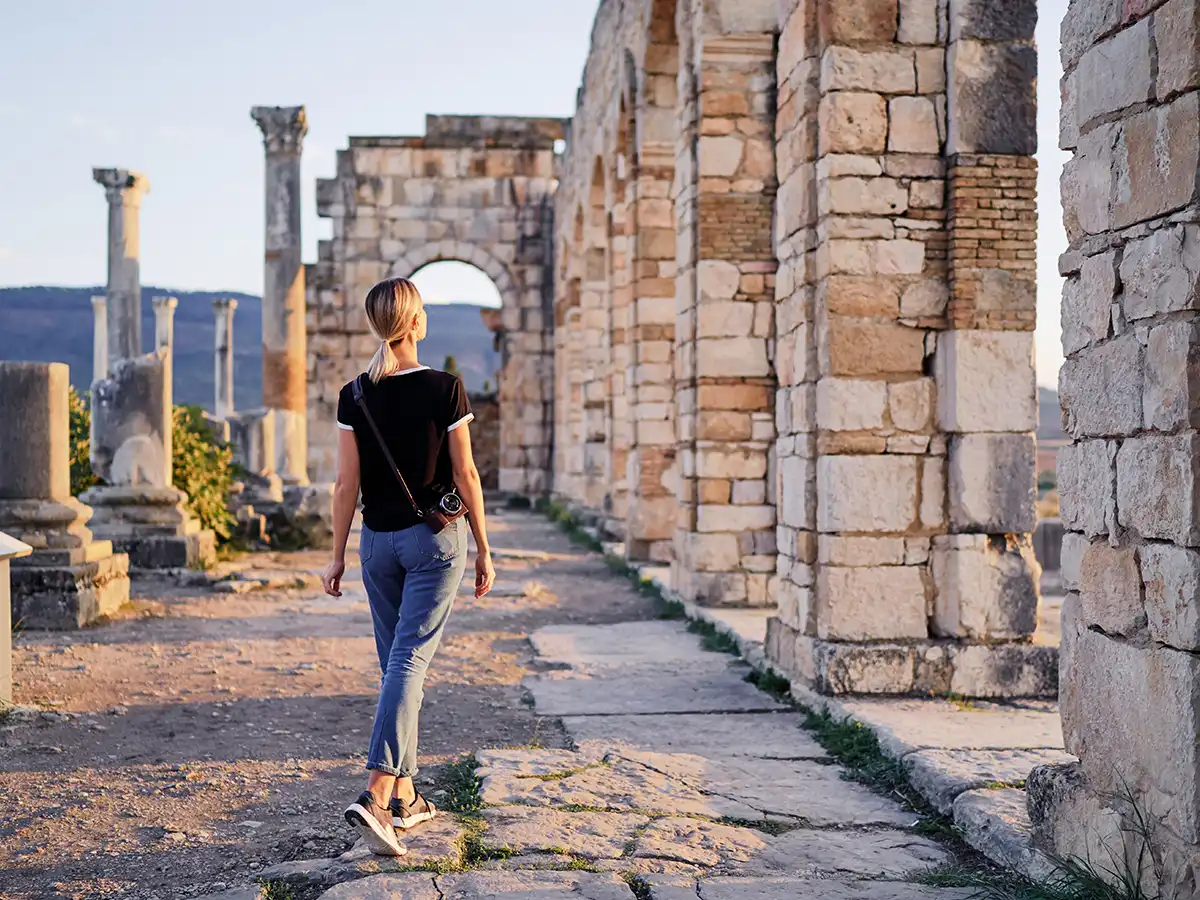
Discover Morocco’s imperial cities and Sahara desert on a 9-day cultural journey from Casablanca to Marrakesh.
View Details →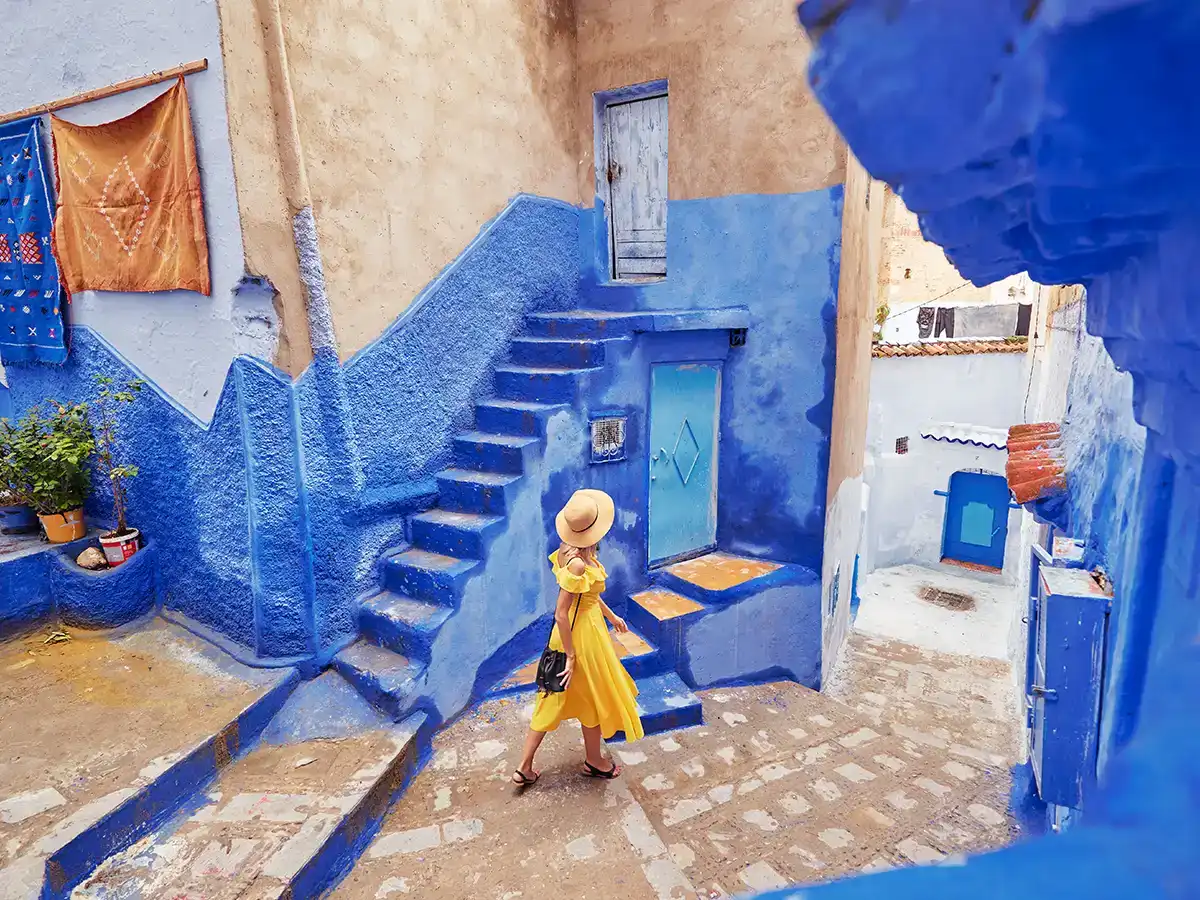
Explore Morocco’s imperial cities and the blue city of Chefchaouen on an 8-day cultural journey.
View Details →
Discover Morocco’s imperial cities on an 8-day cultural journey from Casablanca to Fez and Marrakesh.
View Details →